Friday, 2 August 2013

Avon Wildlife Safari Day 15 - Go Wild in the Country (well almost)


Ever wondered what to do with all those courgettes or cabbages? Fancy making jams and preserves? Love wildlife and being outdoors? Then pop down to Feed Bristol this weekend and learn how to make the most out of those gluts from the allotment at their Storing and Preserving workshop
Feed Bristol is run by Avon Wildlife Trust and supports a range of people with different needs and abilities to access food growing while promoting health, well-being, outdoor education and access to nature.It has regular drop in days on Saturdays between 11-1 where anyone can pop down and see the site. It really is an inspirational and delightful little spot, with a woodland trail, wildlife pond, wildflower meadow as well as growing plots and polytunnels. There's always someone around who will be willing to chat to you about the food grown there and the wildlife that inhabits the area.
If you're keen to learn more there are also regular communal work days on Mondays,Tuesdays and Wednesdays from 9.30 - 4 so just turn up and learn some tricks of the trade whist enjoying a beautiful natural environment just minutes from the centre of town.


Thursday, 1 August 2013

Avon Wildlife Safari Day 14 - An urban river valley walk

Willsbridge Mill is one of my favourite Avon Wildlife Trust nature reserves. Tucked away behind the houses this beautiful mill and spectacular river valley is a fantastic refuge from city life. With ponds that are rich with dragonfly nymphs, water boatmen, pond skaters, diving beetles, frogs and newts, trees full of singing birds and scampering squirrels and a river that provides a wildlife corridor through the area, this really is a living landscape.


At this time of year you may just be lucky enough to see a dragonfly crawl out of it's skin on a tall flag iris or other pond plants at Willsbridge Mill, as it changes from nymph to adult. Watch the adults swoop around in the air, they are amazing flyers, hovering and even flying backwards at times. Their two sets of wings enable them to change direction quickly and hunt down their prey and they will eat pretty much any insect they can capture in flight, particularly mosquitos.
Southern Hawker dragonfly with larval case at Willsbridge Mill

Look out also for the dipper, a small bird with a distinctive white chest, that feeds on insect larvae along the river. It's well worth spending a few minutes just listening too. The diversity of the bird species in this little wildlife oasis is fantastic and if you stop anywhere along the circular walk that takes you around the valley you'll be able to hear and see a variety of woodland birds. Use this guide to help you identify some more common species or download an app for your phone so that you can use it when you are out and about. Please be sensible when using apps on nature reserves though as there is evidence to suggest that repeatedly 'calling' for birds using pre-recorded song on apps can disrupt the birds natural behaviour so it's best to just use it quietly. Try using these garden bird, river bird and male & female bird spotter sheets to also help you identify the birds that you might see.

There's also picnic benches, toilets and information boards around the site to give you more information so jump on a bike (it's near to the Bristol/Bath cycle path), hop on a bus (it's on a bus route from Bristol) or even go by car (there's a free car park). However you get there, this is a great place to spend a few hours.


Wednesday, 31 July 2013

Avon Wildlife Safari Day 13 - Animal Adventures

Photo: Mandy Leivers
August 1st is the first day of the Avon Gorge and Downs Summer children's activities for 8-12 year olds. If you've not booked yourself on for the first 'Animal Adventures' session then don't worry you can still book onto one of the others.Every Thursday until 15th August from 10.00am - 3.30pm, with themes such as 'Wild Works of Art' and 'Ladybird Spotters' there's plenty of opportunity to get a new perspective of the Downs. At £8.50 per child for a day exploring, learning and creating with expert Mandy Leivers, Avon Gorge & Downs Biodiversity Education Officer and her team, I think it's a great way to spend a few hours. And if your children like this, then book onto the 'Creepy Creatures' event on October 31st, in time for Halloween. For more information call Mandy Leivers on 0117 9030609 or email


Meanwhile, if you didn't manage to get a place on the Animal Adventures activity session, why not do your own exploring. At this time of year there's lots of wildlife about so you could go on a shieldbug hunt, be a snail detective or a spider spotter. You'll need to look carefully as lots of wildlife is very good at hiding. Camouflage is a great way of protecting yourself if you're very small and vulnerable to predators. Shield bugs are common in gardens and have a distinctive body shape but can be hard to spot as they are well camouflaged amongst the plants that they like to eat. You can find out more about the different species and their behaviour on this brilliant Nottinghamshire based invertebrates website. For example, did you know that the Common Green shieldbug turns brown in winter and the Hairy Shieldbug hides in dead leaves with 7-spot ladybirds?
photo:Gorse Shieldbug http://www.eakringbirds.com

Spiders are fascinating too. All spiders are carnivorous and inject poison into their victims with a pair of sharp fangs. The poison contains digestive fluids which turns the insides of their victims into a kind of soup which the spider then drinks, leaving just an empty skin.Many spiders spin webs to catch their prey but some go out hunting, using bristly hairs on their body and legs to pick up movements and then pouncing on their prey. Spiders do come in an amazing array of patterns, colours and sizes though so print out your chart and see how many you can find!

Tuesday, 30 July 2013

Avon Wildlife Safari Day 12 - Book onto a Forest Farm School, go geo-caching or visit the lake

If you're looking for something fun and interesting to do for your 8-11 year old then why not book them onto The Community farm's Farm Forest school. Set on 22 acres in the Chew Valley between Bristol and Bath, The Community Farm grows organic vegetables and hold activities, courses, volunteer days and special events to promote awareness of growing organically and being in touch with the food we eat.


photo: http://www.thecommunityfarm.co.uk/
Situated near Chew Valley lake, a visit to the farm provides a great chance to also explore this beautiful and valuable resource. Not only is is a great habitat for fish, birds and a wide variety of invertebrates but it also provides water for the people of Bristol. With nature trails through the woods and along the lakeside, starting just across the road from the farm, this is definitely worth a stroll around whilst the children enjoy getting back to nature at the farm.


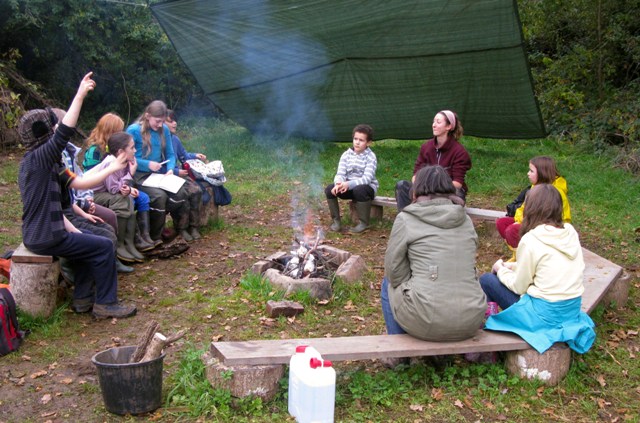
Story telling around the fire
photo:http://farmforestschool.eventbrite.co.uk/
The Forest Farm School provides the opportunity for children to work together on outdoor projects, learning new skills, connecting with nature around them, making new friends and harvesting produce directly from the fields to prepare food to cook over a camp-fire. Sessions will be held every Thursday throughout the school holidays and you can book on all of them or just a few (minimum of 2 sessions). They are based on forest school principles which can be a very powerful tool for gaining confidence and independence.

While your waiting to start your Forest farm school on Thursday why not get into the mood with a visit to some of our urban farms? There's a great choice in Bristol, choose between Windmill Hill City Farm, St Werburghs City farm or Lawrence Weston City farm, all of which have lots of things to see and do with summer camps, family fun, music making activites and opportunities to 'meet the animals'.If you live nearer Bath then a trip to Bath City farm is well worth a visit with 37 acres of fields and woodlands to explore.

Meanwhile, if you live near Weston Super Mare you could book onto the Somerset Countryside National Trust events at Brean Down . Starting with a geo-caching event on 31 July, 11.00am - 2pm and running every Wednesday for just £2 per child it's a brilliant way to have fun on the coast. For more information contact Carole Elliott, 01643 862452,
somerset.countryside@nationaltrust.org.uk

Monday, 29 July 2013

Avon Wildlife Safari Day 11 - Go on a Wildlife Boat trip

Billed as 'A stunning and unique trip that must have lots of wildlife to offer as it was on the BBC's Countryfile programme!' this really is a great opportunity to travel along the river with Ed Drewitt, a fantastic guide with a huge amount of wildlife knowledge.


bf_B06.jpg
photo:bristolferry.com

The Waterside Wildlife boat trips run throughout the summer, so grab your binoculars and book yourself on a guided tour of the river Avon. Starting in the harbour the boat will travel out into the River Avon, under the Clifton Suspension Bridge and on towards Avonmouth. You will have the opportunity to spot redshanks, herons, ravens, peregrine falcons and buzzards in their natural habitat as well as foxes and deer. The Gorge is lined with a mixture of ancient woodland and pasture with an abundance of flora and fauna, the cliffs being home to a host of unique plants including the Bristol rock-cress and the western spiked speedwell.

This is sure to be a popular event so do check the website for dates.

Sunday, 28 July 2013

Avon Wildlife Safari Day 10 - Go down to the woods

Weston Big Wood is one of the most wildlife rich woods in the area. It's one of our top ten nature reserves and has wonderful woodland rides that attract the butterflies in summer. Look out for the silver washed fritillary feeding on brambles and other plants along the sunny paths.
photo:Silver Washed Fritillary - Steve Nicholls
The woodland is also full of birds including woodpeckers, tawny owls and nuthatches.

Download the virtual tour to take a look around and print out a guided walk of the nature reserve to take with you on your visit.

Woodlands also provide great places for children to explore and be creative. Why not make a 'Wild art' creation, using found objects on the woodland floor to make a large outdoor collage. Or collect tiny objects of different colour such as a blade of grass, a seed head or a flower petal and make a minute colourful picture using a strip of double sided sticky tape on a small piece of card.

You can play camouflage games, hide and seek or even look for 'tree faces' amongst the natural fissures and textures of the bark.

Be a nut detective and work out who's been eating nuts in the woods - us this sheet to help you interpret the clues or download this summer flower spotter sheet and see if you can identify the plants along the footpaths.

Whatever you do down in the woods remember, leave only footprints and take only memories.

Have fun!

Saturday, 27 July 2013

Avon Wildlife Safari Day 9 - See exotic butterflies in Congresbury

Photo: Taken last week. Common Mormon (I think) in flight.
photo:https://www.facebook.com/butterfliesandmore
The North Somerset Butterfly house in Congresbury is a great place to visit to learn about the butterfly life cycle and get up close to some beautiful species. Walk through the tropical paradise, hunt for caterpillars amongst the plants and marvel at the stunning colours of these beautiful insects. For a taster of what you can expect visit their facebook page to see some truly magnificent photos but don't use this as a substitute for experiencing the real thing, nothing can beat the experience of watching the butterflies for real and with free car parking, a gift shop and a coffee shop this really is a great place to visit.
After your trip you can use the BBC's Guide to identifying garden butterflies to go on your own butterfly hunt. You don't need a garden, any local park or green space will attract butterflies if it has plants in flower. Butterflies feed on nectar from the flowers so if you want to attract them nearer to home you could plant some flowers in your garden or even in a window box. Take a look at our butterfly gardening guide to get some ideas for plants that you could use.
Once you have become more confident in identifying butterflies you could take part in the Big Butterfly Count which is a national survey that will help scientists understand what is happening to the butterfly population across the UK. This will also help them understand how changes in our environment are affecting wildlife in general so that we can take action to protect the natural environment in our country.
Let us know how you get on!